Hi, I'm Pooja
I design research-led, accessible digital products — from public services to AI-informed tools
Previously -

Google Summer of Code — UX Designer & Developer

@GNOME Foundation
|

Master's in HCI
Design & Research Toolkit
Design & Research Toolkit
Design & Research Toolkit





Explore My Projects
Explore My Projects
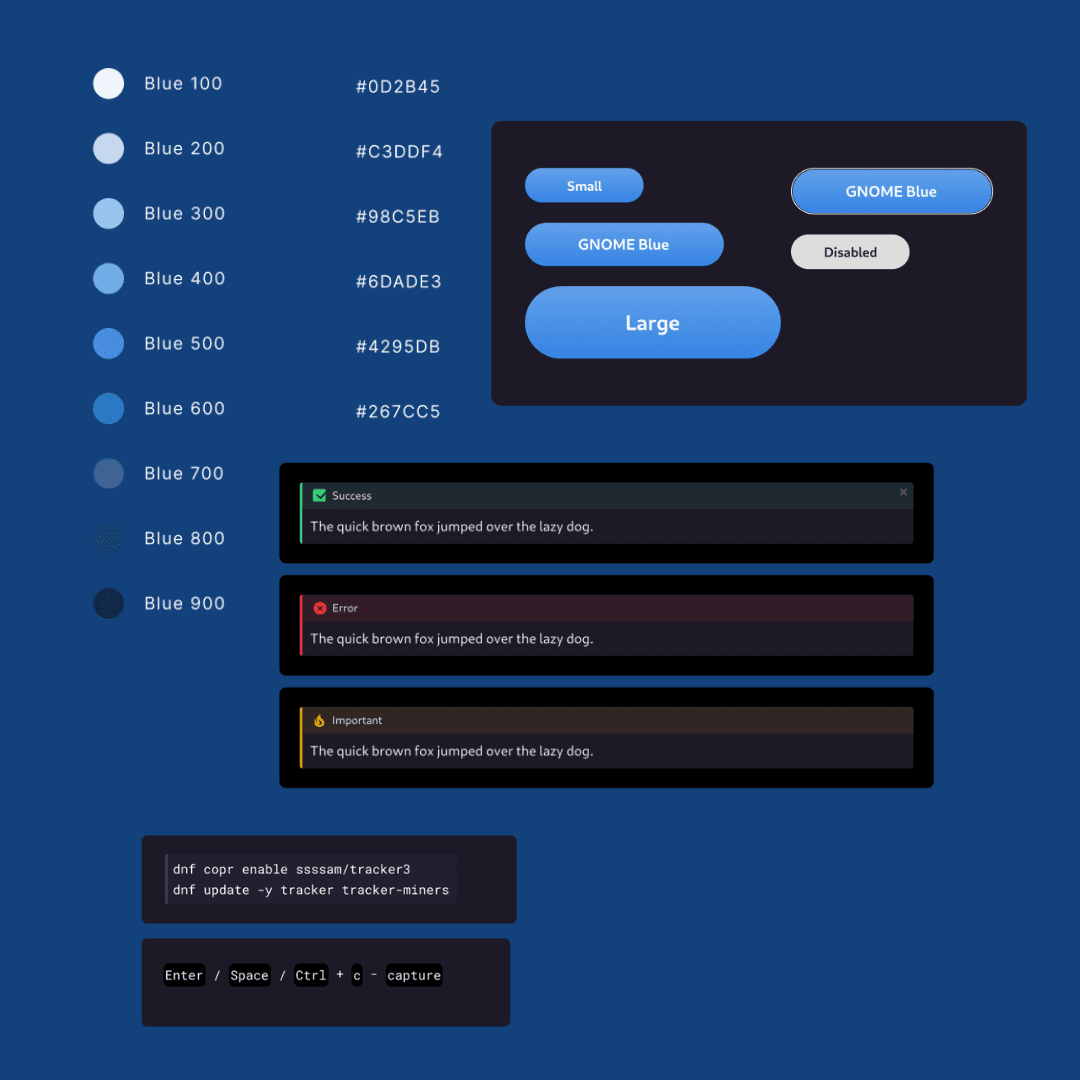
GNOME CSS Component Library
A modular CSS component library designed to bring visual consistency to 12+ community-maintained websites
Role
UX Designer
Front-End Developer
12+
Websites aligned to a shared component system
Web
Responsive
Open Source
GNOME CSS Component Library
A modular CSS component library designed to bring visual consistency to 12+ community-maintained websites
Role
UX Designer
Front-End Developer
12+
Websites aligned to a shared component system
GNOME CSS Component Library
A modular CSS component library designed to bring visual consistency to 12+ community-maintained websites
Role
UX Designer
Front-End Developer
12+
Websites aligned to a shared component system
Rethinking “Simplify Debts” for Group Dynamics
How might we redesign ‘Simplify Debts’ so groups understand where money flows and trust the decisions made?
Role
Researcher
UX Designer
~70%
Improved understanding after redesign

Mobile
Research-Driven
Rethinking “Simplify Debts” for Group Dynamics
How might we redesign ‘Simplify Debts’ so groups understand where money flows and trust the decisions made?
Role
Researcher
UX Designer
~70%
Improved understanding after redesign
Rethinking “Simplify Debts” for Group Dynamics
How might we redesign ‘Simplify Debts’ so groups understand where money flows and trust the decisions made?
Role
Researcher
UX Designer
~70%
Improved understanding after redesign
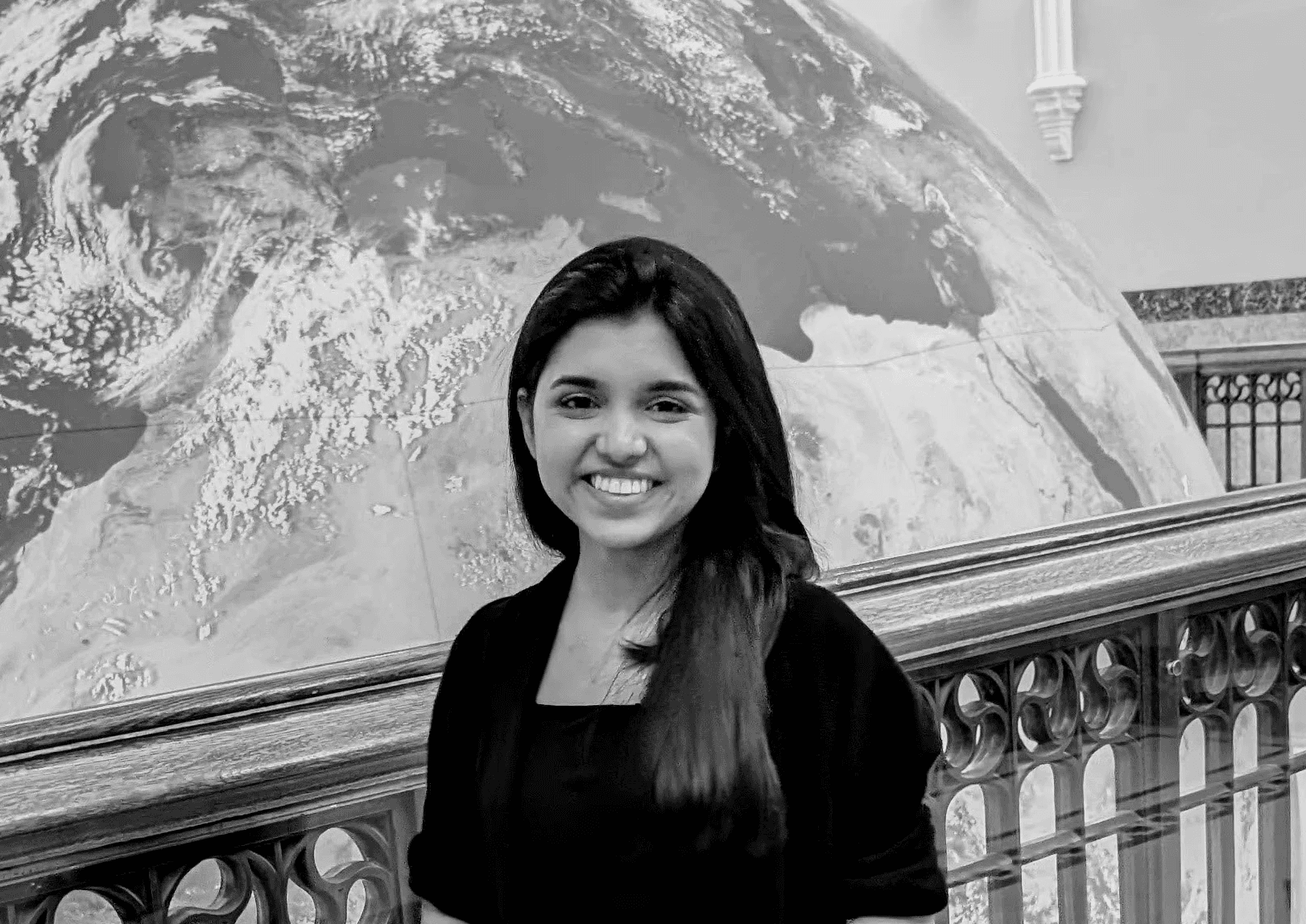
About Me
Growing up in Mumbai shaped how I think about systems, people, and scale. Constant motion, diversity, and constraint made it clear early on that problems are rarely isolated — they sit within larger social and technical contexts.
My foundation in computer engineering trained me to approach problems with structure and precision. Over time, I became more interested in how those systems are experienced by people — especially when complexity, accessibility, and trust intersect. That shift led me to human–computer interaction, where I began working at the boundary between technical feasibility and human understanding.
At GNOME, I saw how accessibility and design systems influence real products at scale, especially in open, community-driven environments. At Carleton University, I deepened my research practice and learned to adapt methods to the problem rather than rely on a single framework or process.
Today, I approach design and research by questioning assumptions, making trade-offs explicit, and focusing on clarity in complex systems. I’m most engaged by work where thoughtful decisions improve how people understand, trust, and use the products they rely on.
About Me
Growing up in Mumbai shaped how I think about systems, people, and scale. Constant motion, diversity, and constraint made it clear early on that problems are rarely isolated — they sit within larger social and technical contexts.
My foundation in computer engineering trained me to approach problems with structure and precision. Over time, I became more interested in how those systems are experienced by people — especially when complexity, accessibility, and trust intersect. That shift led me to human–computer interaction, where I began working at the boundary between technical feasibility and human understanding.
At GNOME, I saw how accessibility and design systems influence real products at scale, especially in open, community-driven environments. At Carleton University, I deepened my research practice and learned to adapt methods to the problem rather than rely on a single framework or process.
Today, I approach design and research by questioning assumptions, making trade-offs explicit, and focusing on clarity in complex systems. I’m most engaged by work where thoughtful decisions improve how people understand, trust, and use the products they rely on.
About Me
Growing up in Mumbai shaped how I think about systems, people, and scale. Constant motion, diversity, and constraint made it clear early on that problems are rarely isolated — they sit within larger social and technical contexts.
My foundation in computer engineering trained me to approach problems with structure and precision. Over time, I became more interested in how those systems are experienced by people — especially when complexity, accessibility, and trust intersect. That shift led me to human–computer interaction, where I began working at the boundary between technical feasibility and human understanding.
At GNOME, I saw how accessibility and design systems influence real products at scale, especially in open, community-driven environments. At Carleton University, I deepened my research practice and learned to adapt methods to the problem rather than rely on a single framework or process.
Today, I approach design and research by questioning assumptions, making trade-offs explicit, and focusing on clarity in complex systems. I’m most engaged by work where thoughtful decisions improve how people understand, trust, and use the products they rely on.
Contact
Thanks for taking the time to explore my work.
Interested in collaborating or learning more?
Reach me at poojapatelux@gmail.com
Last updated: January 2026
Thanks for taking the time to explore my work.
Interested in collaborating or learning more?
Reach me at poojapatelux@gmail.com
Last updated: January 2026
Thanks for taking the time to explore my work.
Interested in collaborating or learning more?
Reach me at poojapatelux@gmail.com
Last updated: January 2026